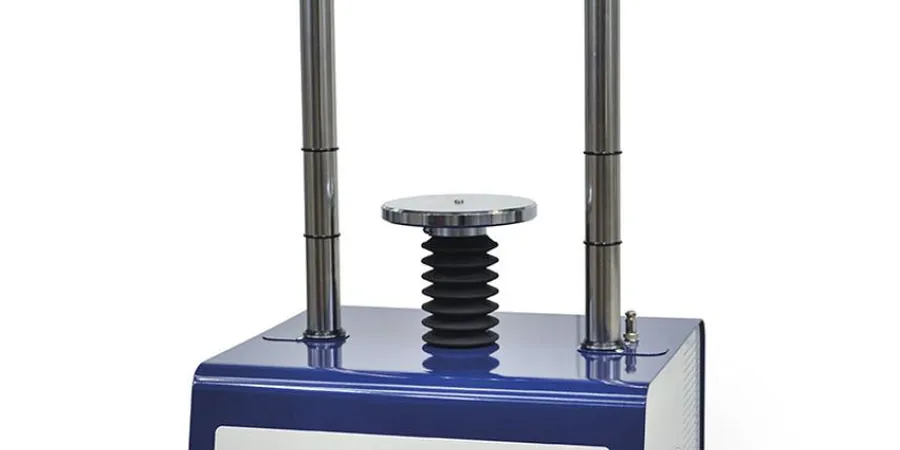
Roadway engineering in Christchurch encompasses the comprehensive design, analysis, and construction of pavements and subgrade systems that form the backbone of the region's transport network. This category covers everything from initial ground investigation and material characterisation to the structural design of flexible and rigid pavements, ensuring roads can withstand both traffic loads and the unique geotechnical challenges present in the Canterbury region. Following the devastating 2010–2011 earthquakes, the importance of resilient roadway design has never been clearer, with liquefaction-prone soils and lateral spread demanding innovative approaches that go well beyond standard pavement engineering. A thorough CBR study for road design is often the starting point, providing essential data on subgrade strength that informs every subsequent decision in the pavement design process.
Christchurch sits on the alluvial plains of the Waimakariri River, underlain by complex sequences of gravels, sands, silts, and peat deposits that vary dramatically over short distances. Much of the city is built on relatively recent Holocene sediments with a high water table, making the ground particularly susceptible to liquefaction and cyclic softening during seismic events. The Port Hills area introduces additional complexity with volcanic rock and loess colluvium that behave very differently from the flatland soils. These geological conditions demand site-specific investigation programs that characterise not only the near-surface materials but also deeper strata that can influence pavement performance through settlement or ground motion amplification during earthquakes.
Roadway design in New Zealand is governed by the NZ Transport Agency's Pavement Design Guide and relevant standards such as NZS 4404:2010 for land development and subdivision infrastructure. The New Zealand Geotechnical Society guidelines for liquefaction assessment and the Canterbury-specific documents developed after the earthquake sequence also play a critical role. For local authorities, the Christchurch City Council's Infrastructure Design Standards set out minimum requirements for roadway construction, referencing Austroads pavement design methodology while incorporating lessons learned from the rebuild. All designs must consider the ultimate limit state for seismic events and the serviceability limit state for long-term settlement and rutting, requiring close collaboration between geotechnical and pavement engineers.
Projects that fall under this category range from residential subdivision streets and rural road upgrades to major arterial routes and motorway extensions. Urban intensification in suburbs like Halswell and Wigram has driven demand for flexible pavement design that can accommodate staged construction and future utility trenching without compromising long-term performance. Industrial areas and bus rapid transit corridors increasingly require rigid pavement design solutions where heavy channelised loading and resistance to fuel spillage are paramount. Each project type must balance initial construction costs against whole-of-life maintenance liabilities, a calculation made more complex in Christchurch by the need to account for potential ground deformation over the design life.
The dominant factors are liquefaction susceptibility of the alluvial sands and silts, high groundwater tables, and the presence of soft or compressible peat layers. Post-earthquake assessments also highlight lateral spread potential near waterways and variable subgrade strengths across short distances. These conditions require thorough site investigation and often ground improvement before pavement construction begins.
The NZ Transport Agency Pavement Design Guide and NZS 4404:2010 are the primary documents, supplemented by Austroads guides for structural design. Christchurch City Council's Infrastructure Design Standards add local requirements, while MBIE guidance documents from the Canterbury rebuild address seismic resilience and liquefaction mitigation specific to the region.
Flexible pavements tolerate some ground movement and are easier to repair after earthquake damage or utility cuts, making them common in residential areas. Rigid pavements offer higher durability under heavy, channelised loads but are more sensitive to differential settlement. The choice depends on traffic loading, subgrade conditions, and long-term maintenance expectations.
The process starts with a desktop study of geological maps and earthquake damage records, followed by in-situ testing such as cone penetrometer tests (CPT), Scala penetrometer, and trial pitting. Laboratory testing for CBR, particle size distribution, and Atterberg limits characterises the subgrade. The data feeds into pavement design and identifies any need for ground improvement.
We serve projects across Christchurch and surrounding areas. More info.